

Research: The perils of chasing stock market “winners”
by Phil Clerkin on November 28, 2024
Financial fears could be holding back millions of retirement dreams
by Phil Clerkin on November 28, 2024
3 insightful reasons why setting goals may reduce financial bias
by Phil Clerkin on November 28, 2024
4 positive mindset changes that could boost your finances
by Phil Clerkin on November 28, 2024
3 simple questions that may help you update your life goals for 2025
by Phil Clerkin on November 28, 2024
2 key Budget announcements that may affect your financial plan
by Phil Clerkin on November 4, 2024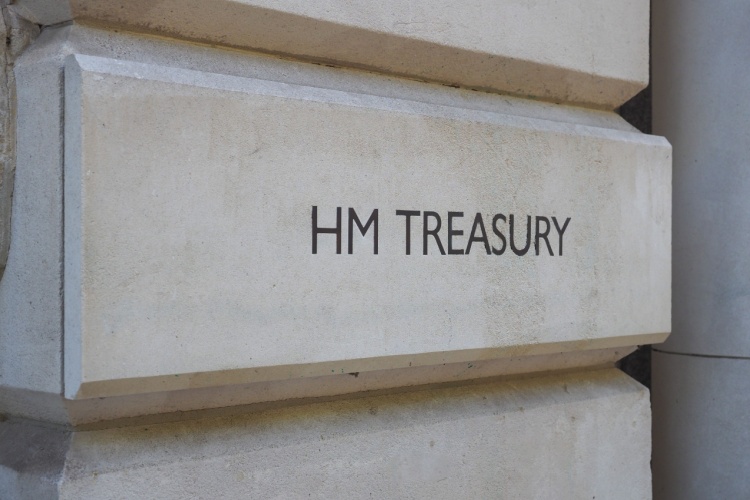
Your Autumn Budget update – the key news from the chancellor’s statement
by Phil Clerkin on October 30, 2024Almost four months after Labour won the general election, chancellor Rachel Reeves has delivered her 2024 Autumn Budget, outlining the government’s plans for this tax year and beyond.
Arguing that the July general election had given Labour a “mandate to restore stability and start a decade of renewal”, Reeves described it as “a Budget to fix the foundations and deliver change”.
Against a backdrop of a manifesto pledge not to increase Income Tax, employee National Insurance, or VAT, Reeves also announced that her Budget would raise taxes by £40 billion, stating that any other chancellor would “face the same reality”.
Read on for a summary of some of the key measures and announcements from this year’s Autumn Budget – the first ever delivered by a woman – and what they might mean for you.
Extra investment in infrastructure
The chancellor argued that “the only way to drive economic growth is to invest, invest, invest.”
In the run-up to the Budget, Reeves announced she was making a technical change to the way debt is measured, which will allow the government to fund extra investment. This wider debt measure will allow for more borrowing to invest in big building projects such as roads, railways, and hospitals.
It’s important to note that this additional room for manoeuvre for spending on investment projects will not be used to support day-to-day spending, as the chancellor has committed to fund that with tax receipts.
A rise in employer National Insurance contributions
As many analysts had predicted, Reeves increased employer National Insurance (NI) rates by 1.2% from 13.8% to 15%, effective 6 April 2025.
Currently, employers pay NI only above a threshold of £9,100 a year. The chancellor reduced this threshold to £5,000 a year, effective 6 April 2025. The threshold will remain at £5,000 until 6 April 2028 and then increase in line with the Consumer Prices Index (CPI) thereafter.
These reforms will raise £25 billion a year by the end of the forecast period (2029/30).
At the same time, the government is increasing the Employment Allowance.
The current Employment Allowance gives employers with NI bills of £100,000 or less a discount of £5,000 on their employer NI bill.
From 2025, the Employment Allowance will rise to £10,500. Moreover, the government will expand the Employment Allowance by removing the £100,000 eligibility threshold so that all eligible employers now benefit.
Taken together, the government says that 865,000 businesses will pay no NI contributions at all, and more than half of employers with NI liabilities will either see no change or will gain overall next year.
An end to the freeze on Income Tax thresholds from 2028
Back in 2021, the then-chancellor, Rishi Sunak, raised both the Personal Allowance and the threshold at which higher-rate Income Tax is due by £70 and £270 respectively.
Importantly, however, he also fixed these thresholds until 2026. Then, in the 2022 Autumn Statement, Jeremy Hunt extended this freeze until 2028.
Unexpectedly, Reeves decided against extending the freeze beyond 2028. From 2028/29, personal tax thresholds will be uprated in line with inflation once again.
Capital Gains Tax reforms
The chancellor announced several changes to the Capital Gains Tax (CGT) regime.
Firstly, as of 30 October, the main rates of CGT have increased. The basic rate has risen from 10% to 18% and the higher rate has increased from 20% to 24%.
The government will maintain the lifetime limit for Business Asset Disposal Relief (BADR) – formerly Entrepreneurs’ Relief – at £1 million. Meanwhile, the lifetime limit for Investors’ Relief (IR) will be reduced from £10 million to £1 million.
The BADR and IR rate of CGT will continue to be charged at 10%, before rising to 14% on 6 April 2025 and 18% on 6 April 2026.
These measures will raise £2.5 billion a year by the end of the forecast period.
Furthermore, CGT on carried interest – paid by private equity managers – will rise from 18% (basic rate) and 28% (higher rate) to 32% from 6 April 2025. There will be further reforms from April 2026 to bring carried interest within the Income Tax framework, under bespoke rules.
Changes to some Inheritance Tax reliefs
As expected, the chancellor made key announcements that could affect estate planning.
Nil-rate bands
The freeze on IHT thresholds will be extended by an additional two years, to 2030. The nil-rate band and residence nil-rate band will remain at £325,000 and £175,000 respectively.
Pensions
Reeves announced she was closing the “loophole” that gives pensions preferable IHT treatment. She will bring unused pension funds and death benefits payable from a pension into a person’s estate for IHT purposes from 6 April 2027.
The government estimates this measure will affect around 8% of estates each year.
Agricultural Property Relief
Currently, individuals can claim up to 100% relief on agricultural property (land or pasture that is used to grow crops or rear animals).
From 6 April 2026, the first £1 million of combined business and agricultural assets will continue to attract no IHT at all. However, for assets above this threshold, IHT will apply with 50% relief.
Business Property Relief
From 6 April 2026, the government will also reduce the rate of Business Property Relief from 100% to 50% in all circumstances for shares designated as “not listed” on the markets of a recognised stock exchange, such as the AIM.
ISA subscription limits frozen until 2030
Prior to the Budget, there was speculation that the chancellor may make changes to simplify the ISA regime.
While these did not materialise, the Budget did confirm that annual subscription limits will remain at £20,000 for ISAs, £4,000 for Lifetime ISAs and £9,000 for Junior ISAs and Child Trust Funds until 5 April 2030.
Additionally, the starting rate for savings will be retained at £5,000 for 2025/26, allowing individuals with less than £17,570 in employment or pension income to receive up to £5,000 of savings income tax-free.
A change to business rates relief
The current business rates relief system is set to run until April 2025. It effectively serves as a reduction on business rate bills for eligible businesses, with retail and hospitality firms having been key beneficiaries.
The chancellor announced that, from 2026/27, permanently lower tax rates will be introduced for retail, hospitality and leisure properties.
Additionally, for 2025/26, some retail, hospitality, and leisure properties will receive 40% relief on their bills, up to a cash cap of £110,000 per business.
Corporation Tax capped at 25%
The government plans to support businesses to invest by publishing a Corporate Tax Roadmap. This confirms that the government will cap Corporation Tax at 25% for the duration of the parliament.
A rise in the national living wage
Reeves announced a 6.7% rise in the national living wage for workers aged 21 and over, from £11.44 to £12.21 an hour, effective April 2025. For a full-time employee earning the national minimum wage, this means a £1,400 annual pay boost and is expected to benefit more than 3 million workers.
In addition, the national minimum wage for people aged 18 to 20 will rise from £8.60 to £10 an hour. Apprentices will receive the biggest pay increase, with hourly pay rising from £6.40 to £7.55 an hour.
The announcement could significantly increase outgoings for businesses, particularly when coupled with reforms to employers’ NI.
A freeze in fuel duty
Fuel duty has been frozen since 2011, and the 5p cut brought in by the Conservatives in 2022 has been extended at every subsequent Budget.
Despite speculation that Reeves might increase fuel duty, she confirmed the freeze for another year and extended the 5p cut. This will save the average motorist £59 in 2025/26.
Second home Stamp Duty surcharge increasing
With effect from 31 October 2024, the Stamp Duty surcharge on the purchases of second homes, buy-to-let residential properties, and companies purchasing residential property in England and Northern Ireland will increase from 3% to 5%.
This surcharge is also paid by non-UK residents purchasing additional property.
Reforms to the non-dom regime
Currently, for UK residents whose main residence – or “domicile” – is elsewhere in the world, income and gains are taxed differently, depending on factors such as how long individuals are resident in the UK.
The chancellor confirmed that the tax regime for non-domiciled individuals (non-doms) will be abolished from April 2025, claiming that the rules will ensure that those who “make the UK their home will pay their taxes here”.
Moving forward, there will be a residence-based scheme with “internationally competitive arrangements” for those who come to the UK on a temporary basis.
Over the next five years, Office for Budget Responsibility (OBR) figures estimate that these reforms will raise £12.7 billion.
VAT on private school fees from January 2025
As they had promised in their election manifesto, Labour announced that, from 1 January 2025, VAT will apply to all education, training, and boarding services provided by private schools.
Additionally, the chancellor announced that she was removing business rates relief from private schools from April 2025.
An end to the £2 bus fare cap
The £2 cap on bus fares introduced by the previous Conservative administration is due to end on 31 December 2024.
Labour has announced that it will extend the cap for a further 12 months but that the cap will rise from £2 to £3.
Changes to duties for alcohol, tobacco, and vaping
The chancellor confirmed a reduction in the duty for draught alcohol, cutting duty on an average strength pint by a penny. Rates for non-draught products will increase in line with the Retail Prices Index (RPI) from 1 February 2025.
Furthermore, a new vaping duty will be introduced from 1 October 2026, standing at £2.20 per 10 ml of liquid. Meanwhile, there will be a one-off tobacco duty rise designed to maintain the incentive to choose refillable vaping over smoking.
Confirmation of the 4.1% increase to the State Pension under the triple lock
The basic and new State Pension will increase by 4.1% in 2025/26, in line with earnings growth, meaning over 12 million pensioners will receive up to £470 a year more.
Please note
All information is from the Autumn Budget documents on this page.
The content of this Autumn Budget summary is intended for general information purposes only. The content should not be relied upon in its entirety and shall not be deemed to be or constitute advice.
While we believe this interpretation to be correct, it cannot be guaranteed and we cannot accept any responsibility for any action taken or refrained from being taken as a result of the information contained within this summary. Please obtain professional advice before entering into or altering any new arrangement.
read more
Guide: The surprising benefits of choosing a “living legacy” for your loved ones
by Phil Clerkin on October 29, 2024
Financial protection isn’t just valuable for homeowners. It could be useful for renters too
by Phil Clerkin on October 29, 2024Disclaimer: The information provided in our website blogs is accurate and up-to-date at the time of writing. However, please be aware that legislative changes and updates may occur after the publication date, which could potentially impact the accuracy of the information provided. We encourage readers to verify the current status of laws, regulations, and guidelines relevant to their specific circumstances. We do not assume any responsibility for inaccuracies or omissions that may arise due to changes in legislation or other factors beyond our control.
If you would like any clarification, or have any questions, please get in touch.