How to prevent catastrophising and embrace positive thinking

by Phil Clerkin on July 6, 2026

There’s a good chance that, at some point in your life, you’ve had a sudden thought that has run away with itself.

You might make a small mistake at work and convince yourself that everyone has noticed. Or, a loved one might not reply to a message, and your mind will jump to the worst possible explanation.

In these moments, your brain is racing ahead to the most frightening version of what might happen next.

This is often known as “catastrophising”, a thinking pattern where your mind imagines the worst possible outcome, even when it is unlikely or unsupported by evidence.

It can happen to anyone from time to time, especially during periods of uncertainty, stress, or burnout.

When catastrophising becomes a habit, it can quickly leave you feeling constantly on edge, and you may spend more time preparing for disasters rather than responding to what’s actually happening.

The good news is that you can learn to notice these thoughts and respond to them differently.

Continue reading to discover what exactly catastrophising is and some practical techniques that could help you break negative thinking patterns.

Catastrophising can make unlikely outcomes feel certain

It’s important to note that catastrophising isn’t the same as being cautious or realistic. There are times when it’s sensible to think ahead or consider what could go wrong.

For example, if you’re preparing for a long journey, checking the weather and leaving extra time are all practical steps.

However, when catastrophising, your thoughts might quickly move from a possible inconvenience to a worst-case scenario.

Rather than thinking “there may be traffic so I’ll leave early”, your mind could jump to “I’ll be late and the entire day will be a disaster”.

What would have been a relatively manageable inconvenience could become the worst possible outcome.

This pattern often develops because your mind is essentially trying to protect you.

Indeed, imagining every potential outcome might make you feel as though you’re preparing yourself for disappointment.

In reality, you could simply end up experiencing the stress of a difficult situation before it has even happened.

Over time, this can affect your mood, sleep, concentration, and decision-making. You may also start avoiding situations that trigger these thoughts.

While avoidance might offer short-term relief, it often makes the worry more powerful in the long run.

There are ways to overcome catastrophising and cut through the negative thoughts

While you might assume the solution to catastrophising is to simply replace every negative thought with a positive one, this isn’t always the best course of action.

Forcing yourself to believe everything is fine isn’t always helpful.

You can still recognise potential risks or challenges without automatically assuming the worst will happen.

This could help you respond to the situation in front of you, rather than becoming consumed by imaginary outcomes.

Thankfully, there are several ways to do this. Here are five.

  1. Identify what triggers your negative self-talk

A useful first step is to notice when catastrophising tends to occur. You might find that certain situations regularly trigger negative thoughts, such as:

  • Receiving an unexpected email from work
  • Making a significant decision
  • Travelling somewhere unfamiliar.

It may help to make a note of what happened and how the situation made you feel. Over time, you could start to notice a pattern.

While this won’t necessarily stop the negative thoughts, it could help you spot what is happening before your mind has time to build a worst-case scenario.

  1. Check how you’re framing your thoughts throughout the day

Negative self-talk can become so familiar over time that you might not even notice the language you use.

These thoughts might even create assumptions that your brain believes are already fact. So, checking in with yourself throughout the day could help you recognise this.

When you notice a particularly negative thought, you might want to pause and consider whether there’s a more accurate way to phrase it.

For instance, instead of “I always get things wrong”, you could turn this into “I made a mistake but can learn from it”.

This could help you eventually learn to assess situations based on what you know rather than on what you fear might happen.

  1. Ask yourself what the most likely outcome is

When your mind jumps to the worst possible outcome, it’s worth pausing and asking yourself: “What is the most likely outcome?”

This can help create some distance between the thought and reality.

For example, if a loved one hasn’t responded to your message, your first thought might be that they’re upset with you.

Before accepting this as fact, it can be prudent to try listing a few other possibilities. They might be working, driving, or planning to reply later.

You could also try asking yourself:

  • What evidence supports these worries?
  • What evidence goes against them?
  • Has this happened before, and if so, what was the outcome?

These questions can help slow the spiral and remind you that a worrying thought isn’t a fact.

  1. Focus on what you can change

Catastrophising can make you feel powerless because your attention is fixed on a large future problem.

Identifying one practical action could help bring your focus back to the present.

If you’re worried about an upcoming presentation, you could try practising your opening or preparing answers to potential questions.

Remember: while you might not be able to solve everything immediately, taking one practical step could make the situation feel less overwhelming.

  1. Make time to notice what is going well

It’s easy to overlook positive experiences when you’re constantly searching for problems. So, making a greater effort to notice what is going well could create a more balanced outlook.

You could try writing down three things you’re grateful for at the end of the day or acknowledging your strengths and progress.

This could eventually train your mind to notice positive experiences rather than focusing entirely on what has gone wrong or what might go wrong in the future.

read more

Phil ClerkinHow to prevent catastrophising and embrace positive thinking

Why FOMO could be driving crypto investment decisions

by Phil Clerkin on July 6, 2026

Cryptoassets may not be regulated financial products so please be aware that trading them carries a considerable amount of risk for your capital. Cryptocurrencies are also not covered by existing consumer protection laws and are not suitable for the majority of investors.

It can be easy to get swept up in what feels like excitement when you’re looking at crypto investments. After all, the cryptoasset market has grown rapidly and the internet is filled with stories about cryptoassets that have made significant gains. This could lead to the fear of missing out (FOMO) affecting investors and the wider market.

FOMO describes the unease you might experience when you feel like you’re missing out on experiences or opportunities.

In terms of investing, it might manifest if you believe you’ve missed a chance to invest in an asset that will deliver high returns. Comparing yourself to others could influence the decisions you make, particularly in a fast-moving market like crypto, because you may not pause to consider the alternatives.

3 reasons why crypto investors might be more vulnerable to FOMO

Any investor might experience FOMO at one time or another, but some features of the crypto market could make those who invest in these assets more vulnerable.

  1. High levels of media coverage

The relative newness and high valuation of some cryptoassets mean they often feature in the media. This coverage often highlights dramatic movements or success stories that could stir up feelings of FOMO.

  1. Social media trends

Compared to other assets, you might find social media influencers talking about cryptoassets more frequently or more animatedly. These viral trends could lead to some investors comparing themselves to online personalities and creating a sense of FOMO.

  1. 24/7 trading opportunities

Unlike traditional investment markets, you can trade cryptoassets around the clock. This is one reason why the market moves quickly, creating a sense of urgency among investors. So, when they experience FOMO, they feel like they have to react to it straightaway.

The impact of FOMO on the crypto market

For individual investors, FOMO might mean they worry about being left behind. As a result, they might invest in an asset that doesn’t align with their strategy or skip carrying out research because they believe they need to act quickly.

FOMO might continue to affect you even when you’ve purchased the asset that first caught your attention. There might be a temptation to try to time the market or, if the value of the asset falls, to seek another opportunity that would help you recoup the losses. Similarly, if your FOMO investment performs well, it could prompt you to make further reckless decisions.

On a personal level, acting based on FOMO might leave an investor with an unbalanced portfolio or one that carries more risk than is appropriate for them.

When there’s a trend of acting based on FOMO, it may affect the wider market too.

For example, if there’s a surge of interest in a particular cryptoasset, its value could soar. This might lead to inflated prices, which will then sharply fall as the market corrects. In turn, this volatility could heighten FOMO even further.

If you find that FOMO might be influencing some of your decisions, take a step back to assess what’s driving your decision. An investment opportunity that’s right for someone else could be inappropriate for you once you consider your investment strategy and financial circumstances.

While it can be difficult, focusing on your overall financial plan and sticking to your investment strategy could help you avoid FOMO-led financial decisions that might harm your ability to reach goals.

A financial plan could help you assess investment opportunities

Whether you’re interested in investing in crypto or another asset, a tailored financial plan could be valuable. Working with a financial planner often involves discussing your goals and financial circumstances, which could help you assess what level of investment risk is appropriate for you and potentially reduce the effect of FOMO.

Please contact us if you’d like to talk about your investments.

Please note: This article is for general information only and does not constitute advice. The information is aimed at individuals only.

All information is correct at the time of writing and is subject to change in the future.

Cryptoassets may not be regulated financial products so please be aware that trading them carries a considerable amount of risk for your capital. Cryptocurrencies are also not covered by existing consumer protection laws and are not suitable for the majority of investors.

read more
Phil ClerkinWhy FOMO could be driving crypto investment decisions

How business owners could help employees build pension confidence

by Phil Clerkin on July 6, 2026

The workplace pension employers provide is a valuable employee benefit. Yet, research suggests many workers lack confidence when dealing with their pension. This can provide an opportunity for business owners to offer support and boost staff morale.

According to Employee Benefits (15 June 2026), 39% of employees lack confidence when making pension decisions. In addition, 42% said they would be more engaged with their pension if they had a better understanding of it, and 36% would like greater guidance when making decisions.

As an employer, you have a legal responsibility to enrol eligible staff into a workplace pension scheme and make minimum pension contributions on their behalf. While your obligations don’t extend to educating your employees about their pension, there could be benefits to doing so.

Pension education could boost employee morale and business productivity

There are several reasons why educating your employees about their pension could be beneficial to your business.

First, some employees may not understand that you’re contributing to their pension as well. Helping employees fully understand the benefits they receive beyond their salary could be valuable. This is particularly true if you’ve decided to contribute more than the minimum pension contributions.

Employees being aware of how you’re supporting their retirement goals could improve morale and retention.

In addition, a lack of confidence around pensions and retirement could lead to financial stress, which could harm productivity.

Indeed, a survey from People Management (27 November 2025) found that 92% of workers have experienced financial stress in the last year, and 89% report that it has a direct impact on their work. So, employers could benefit from providing financial education to their workforce.

4 ways you could improve pension confidence in your business

Make pensions part of onboarding and your employee handbook

A simple step is to make sure pensions are a key part of your onboarding process. When you’re discussing their contract with new hires, don’t forget to include the pension as part of the remuneration package.

To keep it in the minds of employees, be sure to include pensions in your handbook, such as stating what provider you use and who they can approach if they have questions. Don’t forget to highlight the value of the contribution you make to employee pensions.

Make pensions a regular topic of conversation

Finances can seem complicated and scary to some people. As a result, ongoing communication about pensions could be valuable for employees.

Whether you share information in monthly updates or host workshops or seminars, there are plenty of topics that your employees could benefit from learning more about. For example, you might cover investment risk and the role it plays in choosing a pension fund, or how to understand what income a pension will provide.

Be clear when discussing pensions

One of the reasons why some employees might be reluctant to engage with their pension is that it often involves jargon. Be sure to avoid industry terms or provide clear explanations if you’re using phrases like “Annual Allowance”, “tax relief”, or “defined contribution pension”.

Work with an outside provider

If you want to support your employees, you don’t need to deliver financial education yourself. Working with an outside provider could help your workers access high-quality insights and advice.

As financial advisers, we may be able to work with you to craft regular or one-off sessions that improve your employees’ knowledge of their pension or other financial areas.

Get in touch

If you want to talk about pensions, please contact us. Whether you want to understand your own pension or provide support to your employees, we can help.

Please note: This article is for general information only and does not constitute advice. The information is aimed at individuals only.

All information is correct at the time of writing and is subject to change in the future.

A pension is a long-term investment not normally accessible until 55 (57 from April 2028). The fund value may fluctuate and can go down, which would have an impact on the level of pension benefits available. Past performance is not a reliable indicator of future performance.

The tax implications of pension withdrawals will be based on your individual circumstances. Thresholds, percentage rates, and tax legislation may change in subsequent Finance Acts.

Workplace pensions are regulated by The Pensions Regulator.

read more
Phil ClerkinHow business owners could help employees build pension confidence

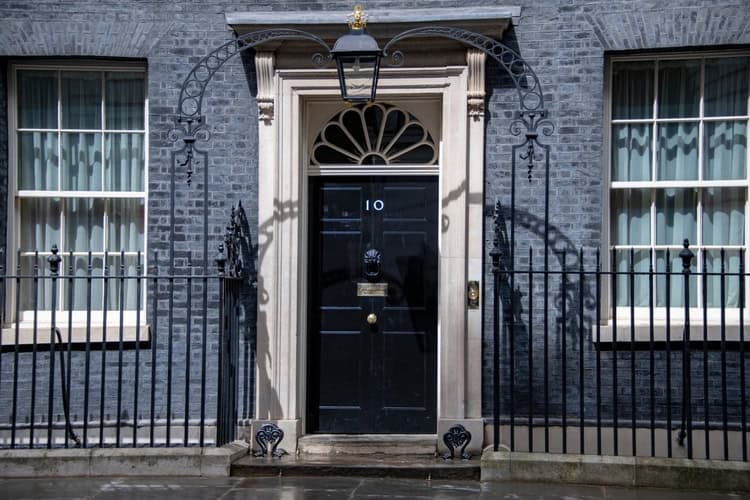
What does a change in prime minister mean for your finances?

by Phil Clerkin on July 6, 2026

On 22 June, Keir Starmer announced he would quit as Labour Party leader. The decision had been anticipated in the media, but the changes still pose some uncertainty over the coming weeks. Read on to find out what it could mean for your finances.

The Labour Party will need to decide on a new leader, which could cause market volatility. Once a new leader is in place, they will have control over fiscal policy that could affect business and personal finances.

While a change in political leadership can feel worrisome when you consider your finances, taking a long-term view is important.

Uncertainty may cause market volatility in the coming weeks

Investment markets may experience volatility in response to uncertainty, which could affect the value of your investments.

Following Starmer’s announcement, markets were relatively stable. According to the Guardian (22 June 2026), markets largely “shrugged off the news” as the resignation was expected. Indeed, a domestically focused index, the FTSE 250, was down just 0.01%.

As the new prime minister is announced and sets out their vision for the UK, markets could experience greater volatility, particularly if there are any surprises.

While this might feel disconcerting, keep in mind that short-term volatility is a part of investing, and markets have historically recovered.

In the last decade, the UK has had seven prime ministers, and while periods of volatility followed some of these leadership changes, the overall market trend has been upwards.

So, rather than reviewing your portfolio’s performance each day, take a look at the bigger picture. Assessing performance over several years could highlight an overall trend rather than short-term responses to periods of change.

While you might be tempted to make changes in response to volatility, sticking to your long-term investment strategy instead of making knee-jerk decisions could be beneficial.

It’s important to note that investment returns cannot be guaranteed, and past performance is not a reliable indicator of future performance.

The prime minister may change policies that affect personal finances

The new prime minister might also choose to go in a different direction from the previous one. For example, they could change tax rates or allowances, which might affect your personal finances.

While the potential for change could prompt some people to alter their financial plans, this often isn’t the best course of action.

First, with so much speculation, it can be difficult to know what information is accurate before it’s officially announced. Reacting to a news headline that isn’t confirmed could mean making unnecessary changes to your financial plan, which has the potential to harm your ability to reach your goals.

Second, when changes are unveiled, they often aren’t implemented immediately. So, you will typically have an opportunity to fully assess your options rather than needing to make a snap decision.

As your financial planner, we could alert you if anything might affect your long-term financial plan. We could help you assess how changes might affect you and offer guidance on how to mitigate the potential effects if appropriate.

Contact us

Over the coming weeks, there’s likely to be a lot of speculation about what will happen. Remember, reacting to rumours could lead you to make decisions based on scenarios that don’t materialise or ones that don’t align with your objectives.

If you have any questions about what Starmer’s resignation means for your finances, please get in touch.

Please note: This article is for general information only and does not constitute advice. The information is aimed at individuals only.

All information is correct at the time of writing and is subject to change in the future.

Please do not act based on anything you might read in this article. All contents are based on our understanding of HMRC legislation, which is subject to change.

The value of your investments (and any income from them) can go down as well as up and you may not get back the full amount you invested. Past performance is not a reliable indicator of future performance.

Investments should be considered over the longer term and should fit in with your overall attitude to risk and financial circumstances.

read more
Phil ClerkinWhat does a change in prime minister mean for your finances?

How a cashflow model could provide clarity about your retirement income

by Phil Clerkin on July 6, 2026

Having a reliable income in retirement could give you the freedom to create a lifestyle you enjoy and achieve those bucket-list goals you’ve dreamed about for years.

In a 2023 survey by Legal & General, 94% of UK adults said their most important retirement dream is to feel financially secure for the rest of their lives.

However, working out what your income might look like many years from now can be complex. As such, you may feel in the dark about how your pensions, savings, and investments might support you in later life.

Indeed, research findings published by IFA Magazine reveal that just one in five people with a defined contribution (DC) pension understand what retirement income they can expect.

This uncertainty could leave you worried about your long-term financial security and unprepared for what lies ahead. That’s where financial advice comes in.

Keep reading to find out how a financial planner can use cashflow modelling to give you a clear picture of your retirement income and help you plan for the future you want.

The challenges of planning a sustainable retirement income

Calculating what your retirement income might be is challenging because you’re often trying to project decades ahead.

What’s more, your income could be affected by various external factors that are unpredictable and out of your control, such as investment returns and inflation.

Longer life expectancies add another layer of complexity. According to the Office for National Statistics’ (ONS) life expectancy calculator, a 45-year-old woman has an average life expectancy of 87 years, and a man of the same age could expect to live to 84.

This means that your retirement funds may need to cover about 30 years or more, depending on when you retire and your longevity. Of course, no one can predict exactly how long they’ll live, which makes it difficult to know how far your wealth will stretch.

These uncertainties could make retirement planning feel overwhelming.

A cashflow model could remove uncertainty and provide peace of mind

A financial planner can use smart software called cashflow modelling to help you plan your retirement income.

This is how it works in simple terms:

  • Input data – Your financial planner enters information about your current financial position, such as your income, expenses, assets, and liabilities.
  • Layer variables – They can then factor in variables such as investment performance, inflation, and your projected future income.
  • Generate a cashflow forecast – The software will create a long-term projection of your finances based on your desired retirement age and life expectancy.

By tweaking the data entered, your financial planner can show you how a range of possible scenarios might affect your income. For example, you might want to see how a dip in the market or retiring earlier could affect your finances.

The power of cashflow modelling is that it removes the guesswork from retirement planning. You can clearly see how a change in your circumstances might affect your income and identify any potential shortfalls. This puts you in a strong position to adapt your strategy so that you stay on track to achieve your goals.

Your financial planner can ensure you get the most out of cashflow modelling

While there are many advantages of using a cashflow model to inform your retirement planning decisions, there are some potential drawbacks to consider too, including:

  • It’s only as good as the data that’s input – Incorrect or incomplete information could result in a misleading forecast.
  • It needs regular updating to be a useful planning tool – A cashflow model provides projections based on your current finances and assumptions about the future, such as the rate of inflation. This means that your model could quickly become outdated if your circumstances or external factors change.
  • It requires oversight by a professional to be used effectively – A cashflow model can support retirement planning, but it can’t replace the expertise and guidance offered by a human professional.
  • It could provide a false sense of security – A model can’t guarantee what your retirement income will be. It must be carefully stress-tested by a financial planner to ensure that projections are realistic and don’t appear more definite than they are. This involves exploring “what-if?” scenarios that might affect your retirement income, such as dips in the market and serious illness.

A financial planner can make sure you get the most out of your cashflow model by:

  • Tailoring it to your needs and goals
  • Regularly reviewing and updating it
  • Stress-testing it against different scenarios
  • Embedding it in your broader financial plan.

In other words, they’ll make sure your model is a valuable retirement planning tool that helps you make informed decisions with confidence.

Get in touch

If you have any questions about cashflow modelling and how it could help you gain clarity on your retirement income, we’d love to hear from you.

Please note: This article is for general information only and does not constitute advice. The information is aimed at individuals only.

All information is correct at the time of writing and is subject to change in the future.

The Financial Conduct Authority does not regulate cashflow modelling.

read more
Phil ClerkinHow a cashflow model could provide clarity about your retirement income

The psychology of fear in investing: Why mastering it could support long-term success

by Phil Clerkin on July 6, 2026

Investing is often as much about emotions as it is about numbers. One emotion that might affect how you invest at times is fear. Learning how fear influences investment decisions and how to master it could support your long-term success.

Fear could strike investors in multiple ways

There’s more than one form that fear can take when you’re investing. You might experience a fear of:

  • Losing money, which could lead to you being overly cautious. You might even avoid investing altogether because of the perceived risk of losing some or all of your money.
  • Making the wrong decision. As an investor, you often have multiple options, and this form of fear could lead to decision paralysis because you overthink or feel overwhelmed.
  • Missing out. There’s a lot of investment noise, including people proclaiming that one investment or another is a must-invest. For some investors, this might generate a fear of missing out (FOMO) that could lead to impulsive decisions.
  • Not being in control. Multiple factors that aren’t in your control will affect the performance of your investments, and this can be scary. Investors experiencing this type of fear might miss opportunities due to their worries or react in a way that doesn’t align with their strategy when new information is released.

Many things could trigger fear when making investment decisions, such as market volatility or even being reminded that investing involves risk. Indeed, according to FT Adviser (4 June 2026), more than half of UK adults said that reading a risk warning when investing in stocks and shares puts them off investing.

It’s natural to feel some worries in these scenarios, but mastering your fears could improve long-term outcomes.

Fear could lead to decisions that don’t align with your long-term strategy

Fear isn’t necessarily a bad thing when you’re investing. It might prevent you from rushing into an investment that isn’t suitable for you, but it could also harm your decisions.

For example, investing might play an important role in your long-term financial plan. It might help you grow your pension savings with the aim of delivering a more comfortable retirement. However, if you fear losing money, you might choose to hold your assets in cash instead, which would mean missing out on potential investment returns.

Investment returns cannot be guaranteed, and past performance may not be replicated. However, historically, markets have delivered returns over long-term time frames and recovered from periods of downturn.

It’s also important to note that there are different levels of risk when you’re investing, so you can choose opportunities that align with your risk profile. In addition, a balanced portfolio will spread your investments across a variety of assets, so while you might lose money in one area, gains in another could create balance.

A key part of mastering fear so it doesn’t hamper your long-term goals is understanding the difference between perceived and actual risks.

Acting out of fear when investing could make it more difficult to achieve your financial goals and increase stress. So, here are three things to keep in mind when you’re investing.

3 steps that could reduce investment fear

  1. Focus on your long-term objectives

Emotional responses are often temporary, as are the factors that trigger them. Instead, focus on what your long-term objectives are. This can help you put current events into perspective and potentially reduce your concerns.

Some investors may find it useful to implement a decision delay, such as waiting at least a day before making any changes. This could provide time for strong emotions to ease and an opportunity to review what’s driving your initial reaction.

  1. Recognise that market volatility is normal

One factor that often affects investor emotions is market volatility. However, if you look at past performance, you’ll see that rises and falls in investment values are normal.

Rather than looking at investment values daily or weekly, take a longer-term view. When you look at performance over several years, you’ll often see that the peaks and troughs smooth out, which doesn’t seem as scary.

  1. Understand your investment strategy

Take some time to understand why your investment strategy is appropriate for you. Discussing with your financial planner why your risk profile is suitable for your current financial circumstances and overall goals could help ease fears.

A financial planner could reduce the impact of emotions when making financial decisions

Working with a financial planner could help keep emotions, including fear, in check when you’re making financial decisions.

Your financial planner will understand your goals and strategy, so they could provide an objective review of your decisions and factors that you might be worried about. Knowing you have someone who could provide tailored guidance might also help you tune out some of the noise that could trigger emotional responses and allow you to focus on what matters to you.

Please contact us to arrange a meeting with one of our team.

Please note: This article is for general information only and does not constitute advice. The information is aimed at individuals only.

All information is correct at the time of writing and is subject to change in the future.

The value of your investments (and any income from them) can go down as well as up and you may not get back the full amount you invested. Past performance is not a reliable indicator of future performance.

Investments should be considered over the longer term and should fit in with your overall attitude to risk and financial circumstances.

read more
Phil ClerkinThe psychology of fear in investing: Why mastering it could support long-term success

Balancing your goals: How a financial plan could help you juggle different priorities

by Phil Clerkin on July 6, 2026

Most people will have multiple financial goals they want to achieve. A common challenge is balancing these competing goals and understanding how to use your assets to work towards them. It’s an area that a financial plan could help you with.

Over the last few months, you’ve read about short-, medium-, and long-term goals that might be important to you and different financial strategies that suit each time frame. Now, read on to find out how a financial plan could help you strike a balance that works for you.

Deciding which goal to focus on can be difficult

Without a tailored financial plan, it might be difficult to understand how you should use your assets to move closer to your goals. For example, if you have £500 left over each month after your regular expenses, would you be better off saving it in case of an emergency or contributing more to your pension?

On top of this, you want to balance working towards goals with enjoying your life now.

Unfortunately, there isn’t a one-size-fits-all solution that’s simple to follow.

Instead, your needs, income, and other financial commitments, along with your goals, will affect what strategies could suit you. A tailored financial plan could help you assess not only how to reach a goal, but how prioritising a certain goal might affect others.

4 ways a financial plan could help balance multiple goals

  1. A financial plan identifies your goals

Your goals are central to your financial plan. So, working with a financial planner provides you with an opportunity to clearly set out what’s important to you and identify goals.

As part of creating a financial plan, you might set out clear time frames for when you’d like to reach each goal. In addition, it’s a chance to discuss why these goals are important to you and if they’re realistic, which might change some of your objectives.

For instance, you might have set a goal to have £500,000 in your pension before you’ve calculated how much income you need in retirement or how you’ll use other assets. As a result, after speaking with your financial planner, you might find the amount you need to save into a pension is lower, which could help you support other goals.

Similarly, you could find you’ve underestimated how much you need for a certain goal. Being aware of a potential gap sooner might mean you have more opportunities to close it.

  1. A financial plan could model different scenarios

A key challenge to balancing goals is understanding how a decision to allocate to one might affect others. Would reducing pension contributions to build a nest egg for your child affect your security in retirement?

Your financial planner may create a cashflow model that could help you assess the long-term impact of your decisions. To create a cashflow model, you input information like your income and the value of your assets, and set certain assumptions, such as the rate of inflation and investment returns. You can then adjust these assumptions.

It’s important to note that while a cashflow model could provide useful insights, the outcomes are not guaranteed.

  1. The data from a cashflow model could help you understand trade-offs

At times, you’ll need to decide which goal is more important to you. A cashflow model could give you access to the information you need to understand trade-offs.

You might look at how changing your pension contributions will affect your disposable income now and the income you might receive in retirement. Would you prefer to reduce your expenses now if it meant you’d have more to spend when you retire?

A cashflow model could be used to explore different scenarios to understand how the decisions you make now could affect various goals, so you can make decisions that align with your priorities.

4. A financial planner could adjust your plan as your goals change

A financial plan you put in place now may not still be suitable for you in 10 years. Over time, your goals and priorities might shift. Regularly meeting with your financial planner to review your plan could help ensure it continues to reflect your goals.

Contact us to talk about your goals

If you’d like our support in creating a financial plan that covers your short-, medium, and long-term goals, please get in touch.

Please note: This article is for general information only and does not constitute advice. The information is aimed at individuals only.

All information is correct at the time of writing and is subject to change in the future.

The value of your investments (and any income from them) can go down as well as up and you may not get back the full amount you invested. Past performance is not a reliable indicator of future performance.

A pension is a long-term investment not normally accessible until 55 (57 from April 2028). The fund value may fluctuate and can go down, which would have an impact on the level of pension benefits available.

The tax implications of pension withdrawals will be based on your individual circumstances. Thresholds, percentage rates, and tax legislation may change in subsequent Finance Acts.

The Financial Conduct Authority does not regulate cashflow modelling.

read more
Phil ClerkinBalancing your goals: How a financial plan could help you juggle different priorities

How to engage with your finances

by Phil Clerkin on July 6, 2026

This guest blog was written by Chris Budd, who wrote the original Financial Wellbeing Book as well as The Four Cornerstones of Financial Wellbeing. He founded the Institute for Financial Wellbeing and has written more than 130 episodes of the Financial Wellbeing Podcast.

Once upon a time, there was a man who had come into a bit of money. Not a life-changing amount, but enough to pay off the mortgage and do some nice things.

Now, this chap’s wife wouldn’t discuss the money. She said that she wasn’t interested. In fact, she said that she wanted “nothing to do with it”.

The lack of interest was not due to the source of the money. It was just that she felt uncomfortable talking about money. She was happy to join him on a cruise around the Norwegian Fjords. She just didn’t want to think about the money.

As a consequence, she didn’t attend the meetings with their financial planner. She didn’t understand how pensions or investments worked. She just wasn’t interested.

This began to cause a bit of a problem. The man wanted to discuss it with her. He wanted to consider some life changes, such as her retiring earlier than planned. He nagged her about it. Eventually, she agreed to meet their financial planner.

This is how the conversation went.

The folded arms

Initially, the lady sat with her arms folded, waiting for the financial planner to start telling her all about investment markets and economic predictions.

Instead, the planner asked her about her work. She assumed that this was just small talk. A little impatient to get the meeting over with, she curtly answered the questions. When the planner asked what it was that she enjoyed about her work, and whether this might change in the future, she began to relax and to open up a little.

They discussed the nature of her work, how she didn’t like her boss, and how she had done the job for fifteen years now. How much she enjoyed volunteering at a local community farm on her day off on Fridays. How she and her husband liked to travel.

Half an hour later, she began to wonder if this was in fact small talk at all. They were now covering whether their children were happy, her love of singing and listening to choral concerts, and his hobby of making stained glass windows.

After an hour, she found herself feeling a little impatient. She finally asked a direct question. When are we going to talk about the investments?

The explanation

The financial planner thanked her for the question. They then explained that the human brain is not wired to make good financial decisions. Research (Caltech, 8 February 2010) has shown that when we think about money, we use the part of our brain that we use when frightened.

We are also not very good at thinking about our future self (Financial Wellbeing Podcast, 31 May 2023). The part of our brain we use when trying to think of ourselves in, say, 10 years is the same part that we use when we think about strangers.

Combine these two pieces of information, and we can start to see why financial planning is something that many people try to avoid.

The good news, however, is that financial planning isn’t really about money. It is about joy. It’s about wellbeing. It’s about planning for a happy future.

Sure, it is also about a reasonable mitigation of tax, management of investments, and some financial calculations. However, the planner explained, that’s my job, not yours. All you need to do is tell me what your happy future looks like. Which you’ve now done, so thank you.

Now, continued the planner, I did actually run some numbers before this meeting. And I can tell you that all the things that you would like to do in your life are possible. In fact, you only really need to work if you want to, not because you have to.

You could, in fact, stop work now, as long as your husband continued to work for another five years. Alternatively, you could reduce your hours from 4 days to 2 days a week and he can stop working in three years.

Furthermore, as you do not need to earn money during those days not working, you can spend more time volunteering at the community farm.

Oh, and you can have six weekends away each year, three of them in the UK and three of them abroad, to visit cathedrals and enjoy concerts.

Engagement

The planner stopped talking. She waited for him to resume, but he didn’t. Eventually, she spoke.

She expressed polite disbelief. How was all this possible? Surely, they couldn’t afford what he described.

The planner explained that it was all contained in the financial plan. He would be very happy to talk through it if she were interested.

She said that she was. She most definitely was interested.

Please note: This article is for general information only and does not constitute advice. The information is aimed at individuals only.

All information is correct at the time of writing and is subject to change in the future.

read more

Phil ClerkinHow to engage with your finances

Disclaimer: The information provided in our website blogs is accurate and up-to-date at the time of writing. However, please be aware that legislative changes and updates may occur after the publication date, which could potentially impact the accuracy of the information provided. We encourage readers to verify the current status of laws, regulations, and guidelines relevant to their specific circumstances. We do not assume any responsibility for inaccuracies or omissions that may arise due to changes in legislation or other factors beyond our control.

If you would like any clarification, or have any questions, please get in touch.

Sign up to our newsletter